India’s Animal Welfare Landscape in 2026: Progress, Pushback, and the Path Ahead
Blog
As 2026 unfolds, animal welfare in India stands at a critical point. From courtroom discussions on stray dog management to a remarkable scientific discovery and growing human–wildlife conflict, the year has begun with both hope and difficult questions.
At World Animal Protection India, we closely follow these developments because laws, public attitudes, and on-ground realities together decide how animals live, or suffer, in our country. Here’s a look at some of the most important animal-related updates so far in 2026, and why they matter.
Big Cat Alliance and BRICS involvement
The Big Cat Alliance has been announced to protect big cats and a summit is expected in April, 2026 and BRICS countries are expected to contribute to the process of saving these majestic animals.
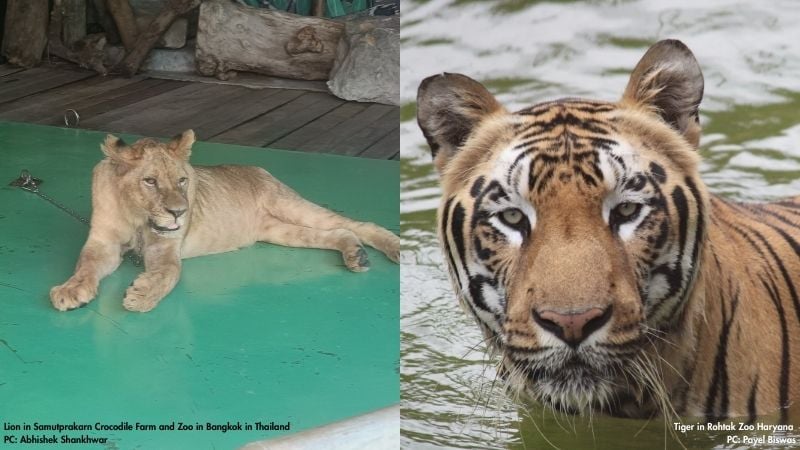
Apart from saving big cats in the wild, the Big Cat Alliance and Summit is a good platform to highlight the plight of big cats in captivity. Currently, thousands of big cats are languishing in captivity all over the world in inadequate conditions and require human intervention to improve their lives and alleviate their suffering
As part of the responsible wildlife tourism initiative of World Animal Protection, tourists from India who visit low welfare venues in countries like Thailand, are encouraged not to visit attractions that involve close physical encounters with captive tigers, lions and other big cats.
Stray Dog Management and Public Safety
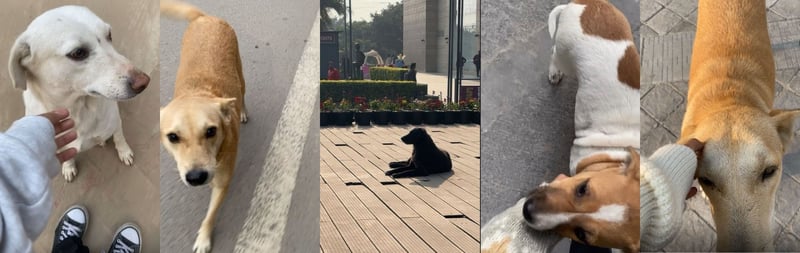
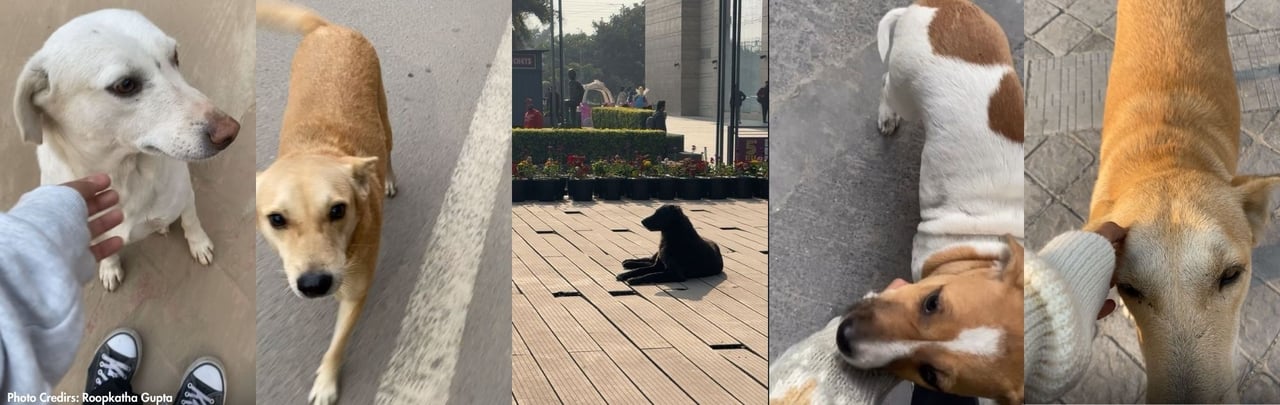
Stray dog management has returned to public focus following recent observations by the Supreme Court of India on rising dog-bite incidents and public safety concerns, particularly in sensitive spaces such as hospitals, schools, and transport hubs.
India’s Animal Birth Control (ABC) Rules already provide a framework that prioritises vaccination, sterilisation, and responsible population management, while also allowing for the relocation and removal of aggressive or rabid dogs where required, in line with public safety considerations.
At World Animal Protection India, we continue to emphasise that preventive and science-led measures, including sustained ABC programmes, vaccination coverage, and improved waste management, are critical to reducing conflict and ensuring safety for both people and animals.
Human–Wildlife Conflict: The Elephant Emergency
Recent elephant-related deaths in Jharkhand, Assam and West Bengal have once again highlighted how shrinking forests and broken wildlife corridors are pushing animals and people into conflict.
Emergency measures may be necessary in the short term, but real solutions must focus on:
- Protecting and restoring wildlife corridors
- Early-warning systems and local preparedness
- Humane, science-based wildlife management
Without addressing these root causes, both human lives and animal lives remain at risk.
Signs of Hope: Conservation And Animal Welfare Wins Across India
Despite ongoing challenges, there are positive signs worth acknowledging:
- Vulture recovery : After a devastating population collapse in the 1990s, vulture numbers in India have finally stabilised, a rare conservation success.
- Elephant welfare concerns continues : Ongoing discussion on nature of elephant safaris after death of Kaziranga riding elephant Swarnimoyee in December, 2025.
- Development of cruelty free silk by Indian Institute of Technology Bombay : IIT Bombay's Centre for Technology Alternatives for Rural Areas has developed a silk production method that spares silkworms' lives, under a Corporate Science Responsibility initiative.
- Marine protection : Odisha’s seasonal fishing ban for Olive Ridley turtles shows how timely policy decisions can directly support wildlife survival.
These examples remind us that when protection is taken seriously, recovery is possible and constant vigilance is necessary to ensure animal welfare.
Captive Animals and Responsible Tourism
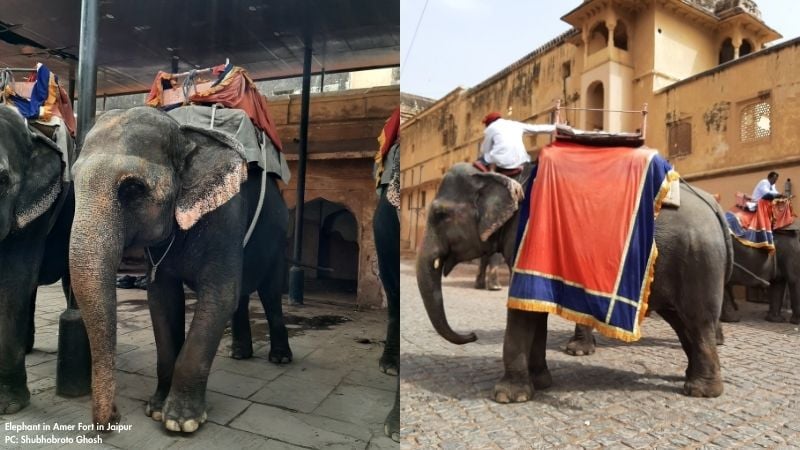
Tourism involving captive elephants raises serious welfare concerns when it involves abuse, coercive training, poor living conditions, or forced performances. Such practices cause long-term physical and psychological harm to animals.
At the same time, tourism activities that do not involve cruelty, abuse, or exploitation must be assessed carefully against clear welfare standards. Responsible tourism should prioritise animal wellbeing, avoid direct interaction that causes harm, and support ethical, transparent practices.
World Animal Protection India continues to call for stronger welfare safeguards and informed tourist choices that do not normalise animal suffering.
Policy, Funding, and the Road Ahead
Encouragingly, new funding models and policy discussions, including consultations led by various stakeholders, show growing recognition that animal welfare is a shared responsibility.
However, progress depends on:
- Strong and consistent enforcement
- Humane standards across industries
- Public awareness and participation
Moving Forward Together
The early months of 2026 have brought difficult but necessary conversations. Whether it’s protecting newly discovered species, managing community animals humanely, or rethinking how we treat wildlife or utilise animals in fashion or entertainment, the choices we make today will shape the future we leave behind.
At World Animal Protection India, we remain committed to working with communities, policymakers, and supporters to move the world to protect animals.
Frequently Asked Questions
Q1. What is the most humane way to manage stray dogs in India?
The most effective and humane approach is Animal Birth Control (ABC) along with vaccination, proper waste management, and community awareness. Removing or confining dogs randomly does not solve the root problem and often leads to more suffering. Well-run ABC programmes help control population growth, reduce aggression, and improve public safety over time.
Q2. Why is elephant ride tourism harmful?
Elephant ride tourism often hides a painful reality. Many elephants are trained using force, kept in poor living conditions, and made to work long hours. Activities like elephant rides prioritise entertainment over animal wellbeing. Ethical tourism avoids such attractions and supports experiences where animals are protected, not exploited.
Q3. Why does ethical fashion matter?
New evidence, in the light of the debate of sentience in artificial intelligence, is showing us that invertebrate animals are capable of sentience. If we are talking about sentience in artificial substrates, it is only natural to infer that animals with biological bodies, vertebrates and invertebrates, are capable of experiencing feelings and sensations. Therefore all fashion products, involving vertebrate and invertebrate animals, like, crocodiles, birds, snakes and silkworms, should apply the precautionary principle of avoiding preventable harm in the production of all products.
Q4. Why does captive animal welfare matter?
Captive animal welfare matters because these animals have been brought into human custody and are totally dependent on our care. Moreover, there are many millions of animals currently in captivity that have been obtained by legal and illegal wildlife trade, an activity that abuses wildlife and endangers human health by way of exacerbating human health. Captive animals like tigers in zoos in Thailand and elephants used for human entertainment in places like Amer Fort in Jaipur in Rajasthan are a blot on the human conscience in the twenty first century. We hope that the BRICS summit in India in 2026 will take this into cognizance.