The Butterfly Effect : How Environmental Change is Silently Pushing Butterflies Towards Extinction
Blog
Butterflies are rapidly disappearing due to environmental changes, habitat loss, and climate disruption. Their decline is a warning sign of a fragile ecosystem and highlights the urgent need for collective action to protect biodiversity.
There was a time when butterflies were a common sight fluttering across streets, fields, gardens, rooftops, everywhere as the spring hit. It is March already and I haven’t seen a single butterfly in sight as someone who lives among the most vibrant streets of Kolkata : the city of joy. Today, their decline is becoming harder to ignore. Across the world, butterfly populations are shrinking at an alarming rate. While this loss may seem small compared to larger wildlife crises, it signals something far more serious: a rapidly changing environment that is affecting all life forms, including humans.
Why butterflies matter
Butterflies are not just symbols of beauty. They play a critical role in maintaining ecological balance. As pollinators, they help plants reproduce, they are a pollination powerhouse, even though they are not as efficient as bees, they travel further, making them crucial for long-distance pollination. They play the key role in supporting food systems and biodiversity. Butterflies are not just pretty, they are a major food source for many animals. If butterflies disappear, it creates a domino effect disrupting an entire ecosystem. More importantly, butterflies act as indicators of environmental health. When butterfly populations decline, it often reflects deeper issues such as habitat loss, pollution, and climate change. They help maintain plant genetic diversity.
Support of rare and native species
Butterflies aren’t just ecological they’re deeply human. They are symbols of transformation, hope, and renewal. Used in scientific research (climate change, migration pattern) art, poetry, and mental well-being. At a time when environmental stress is increasing globally, their disappearance is a warning sign we cannot afford to ignore.
Species at risk : The Monarch Butterfly
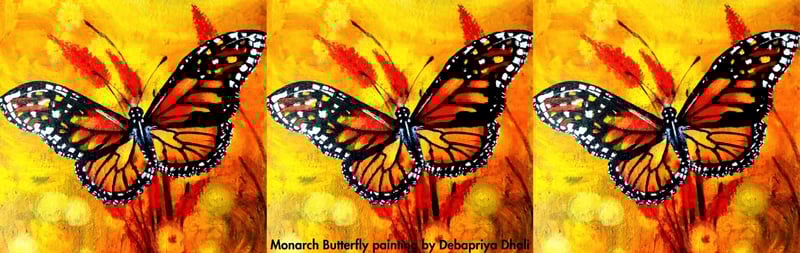
Among the most well-known species facing decline is the Monarch butterfly. Famous for its long-distance migration, the monarch depends heavily on specific environmental conditions to survive. However, in recent decades, its population has dropped sharply due to loss of milkweed plants, its primary breeding habitat
Monarch butterflies need milkweed plants to survive , caterpillars eat milkweed it is their only food source but industrial farming and herbicides have wiped out milkweed , urbanisation has destroyed natural habitats. Climate change is disrupting migration. Monarch migration is finely timed. Climate change is breaking that timing. Heatwaves dry out nectar sources, storms kill migrating butterflies, temperature shifts confuse their navigation. There is Loss of overwintering forests and Monarchs overwinter in specific forests (especially in Mexico). They cluster in the warmth, these forests are being cut down due to logging and development. These factors combined have made survival increasingly difficult for a species once considered abundant. Monarch butterflies are found in Canada, USA and Mexico.
Kindness to invertebrates
Butterflies are integral to the ecosystem and beautify our lives and therefore we should not kill them for trophy collections. It is important to recognise sentience in invertebrates like butterflies and to treat them respectfully so that they are not abused or harmed in any way.
Same goes for the cousins of butterflies, the silkmoths. We should be compassionate to them and not kill them for wearing pure silk which is a luxury and vanity product.
Realising the cruel nature of silk production that entails the killing of thousands of silkworms and silk moths and the exploitation of child labour, I have decided not to wear pure silk and opt for humane alternatives, and encourage others to do the same as there are a lot of alternatives now available in the fashion and clothing industry which are equivalent to pure silk but not real, artificial, giving us the same look and feel without harming the poor innocent creatures.
Environmental change is happening too fast
Nature has always evolved, but the current pace of environmental change is unprecedented. Butterflies rely on delicate natural timing when plants bloom, when temperatures rise, and when migration begins.
However, climate change is disrupting these patterns.
• Flowers are blooming earlier or unpredictably
• Seasonal cycles are shifting
• Extreme weather events are becoming more frequent
As a result, butterflies often arrive too early or too late to access food and breeding grounds, reducing their chances of survival.
The real “butterfly effect”
The term “butterfly effect” is often used to describe how small actions can lead to large consequences. Today, this idea takes on a new meaning. Human activities from deforestation and pollution to chemical use and urban expansion are creating ripple effects across ecosystems. These changes may seem small or local, but their impact is global. Butterflies are among the first to be affected, but they are not the only ones.
A warning for the entire ecosystem
The decline of butterflies is not an isolated issue. It is part of a larger pattern affecting wildlife worldwide. As highlighted by global animal welfare efforts, environmental degradation, habitat destruction, and human-driven pressures continue to threaten countless species.
When pollinators like butterflies decline:
• Plant diversity reduces
• Foodchains weaken
• Ecosystems become unstable
Ultimately, this affects not just wildlife, but human life as well.
What can we do?
Protecting butterflies requires collective action.
Simple yet meaningful steps include:
• Planting native flowering plants
• Reducing or avoiding pesticide use
• Protecting green spaces and natural habitats
• Supporting conservation efforts and awareness initiatives
Real change begins with understanding that animal welfare and environmental health are deeply connected.
The path ahead
Butterflies may be small, but their message is powerful. Their decline is not just about the loss of a species it reflects the broader impact of human activity on the natural world. If we listen closely, butterflies are telling us something urgent: The environment is changing faster than nature can adapt. And unless we act now, the consequences will extend far beyond what we can see. Together, we can move the world to protect animals and the ecosystems they depend on.
Debapriya Dhali is a volunteer of World Animal Protection in West Bengal. She says, “My name is Debapriya Dhali, and I am a 3rd-year BHMS student at Mahesh Bhattacharya Homeopathic Medical College and Hospital. I am also a deeply committed animal lover. My connection with animals began in childhood. My father and grandfather used to shelter a wide variety of animals. Despite being raised in a Bengali household, I chose to give up non-vegetarian food in the 10th grade. It became impossible for me to consume something I emotionally considered family. The article I am submitting focuses on butterflies, creatures that are small, fragile, and incredibly beautiful, yet essential to our ecosystem. Their transformation from caterpillar to butterfly is not only biologically fascinating but also deeply symbolic, reflected in the well-known concept of the “butterfly effect.” Without these delicate pollinators, our ecological balance would be severely disrupted.”
Disclaimer : Opinions expressed are those of the author and not necessarily those of World Animal Protection