From George Adamson’s birth in Etawah to the evolution of Etawah Safari Park, this feature explores the region’s connection with lions, wildlife rescue, veterinary care and conservation. The safari park’s work includes wildlife rehabilitation, disease prevention through dog vaccination, environmental education and efforts to protect animals in its care.
Introduction: The George Adamson Connection to Etawah
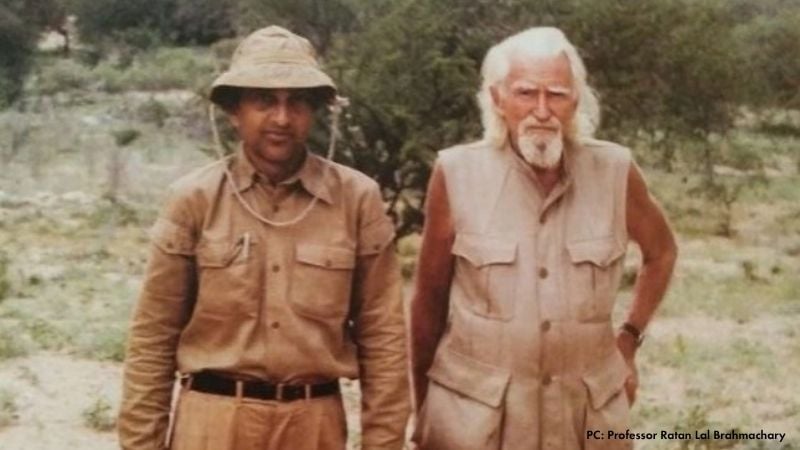
Three decades ago when I read ‘The Great Safari,’ by Adrian House, the dual biography of George Adamson and Joy Adamson, I learnt many additional perspectives to the famous ‘Born Free’ story that has been immortalized in the book and the film starring Virginia McKenna and Bill Travers. One major revelation was the fact that George Adamson, one of the principal protagonists in the ‘Born Free’ story was born in India in Etawah on 3 February 1906. Before he became famous for raising Elsa the lioness in Africa, his life story actually began in the northern plains of India during the time of British rule. George was born to an English mother, Katherine, and an Irish father, Harry Adamson. His father worked in India helping to train an army for the Rajah of Dholpur, a nearby princely state. Growing up in Etawah, India, George was surrounded by diverse cultures and landscapes, which likely planted the early seeds for his deep love of nature and adventure.
From Etawah to the Born Free Legacy
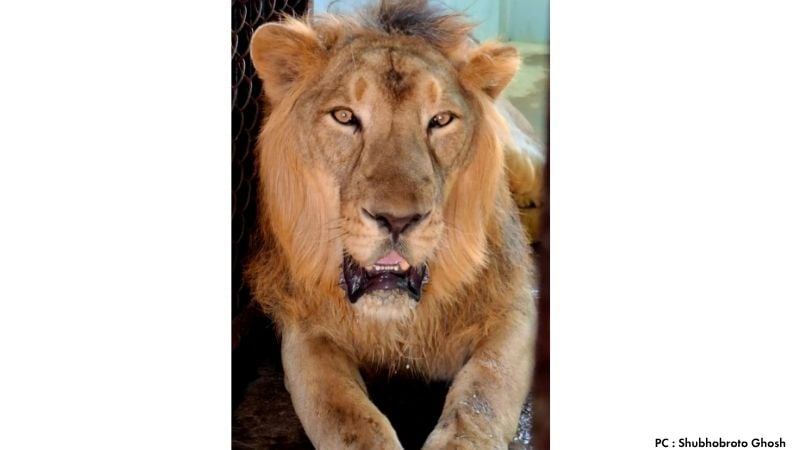
In this very town, it was possible for my wife Payel and me to pay a visit to the Etawah Lion Safari on 27 June, 2026. Very obviously, the place is famous for their lions, having been created for the large predator as the very name suggests. The Etawah Safari Park, originally envisioned as the Etawah Lion Safari, is a massive 350-hectare wildlife drive-through park in Uttar Pradesh, India, created to bring the majestic Asiatic lion back to its historical northern plains. Long ago, Asiatic lions roamed freely across northern India, but heavy hunting and rapid human growth completely wiped them out from the region, with the last local lion recorded killed in 1864 at Sheorajpur in the nearby Allahabad district. In 1990, a senior wildlife officer named R.S. Bhadauria suggested recreating a safe haven for these big cats in Etawah's vast Fisher Forest, leading to a formal project vision officially put forward in 2005 by the former Chief Minister of Uttar Pradesh, Mulayam Singh Yadav. Although a detailed plan for a dedicated lion breeding centre and safari was submitted in 2006, the ambitious project faced major delays due to a shift in political power and the need for strict environmental clearances from central authorities. Work finally accelerated under Chief Minister Akhilesh Yadav after securing critical central approvals in May 2013. Although a detailed plan for a dedicated lion breeding centre and safari was submitted in 2006, the ambitious project faced major delays due to a shift in political power and the need for strict environmental clearances from central authorities. Work finally accelerated in May 2012 under Chief Minister Akhilesh Yadav, who pushed for international standards by sending wildlife experts to study the famous Longleat Safari Park in England, while hiring a specialized Spanish design company named Art Urbà to draft the master layouts.
The Origins of Etawah Lion Safari
In 2014, the first pairs of Asiatic lions arrived from Gujarat, but the conservation project quickly faced severe setbacks and heartbreak when several adult lions and newborn cubs tragically died from canine diseases. To bounce back from these devastating struggles and broaden the park's appeal, officials expanded the master plan in 2015, renaming the site the Etawah Safari Park and introducing four brand-new specialized safaris dedicated to protecting deer, antelope, Sloth Bears and Leopards. The deer safari portion was opened first in October 2016, followed by other animal enclosures over the next two years as animal populations stabilized. Chief Minister Yogi Adityanath formally inaugurated the complete multi safari park on 1 June 2018, and on 24 November 2019, the park finally opened its main gates to regular public visitors. Visitors were initially barred from the lion area while breeding safety and health protocols were double checked, but tourists were eventually permitted to enter the primary lion territory via secure, enclosed vehicles. Today, this massive green reserve stands proud as one of the largest safari parks in all of Asia, actively managed by the Uttar Pradesh Forest Department as a thriving hub for eco tourism, wildlife protection, and scientific research.
From Lion Safari to Etawah Safari Park
Aside from viewing free roaming wildlife in their natural habitats, tourists can enjoy a high-tech 4D animal educational theatre, or explore the park's grand entrance grounds which uniquely display a vintage steam locomotive alongside two historical Indian Army Vijayanta tanks. By successfully blending historical memory, animal rescue, and public education under one massive forest canopy, the safari continues to serve as a monumental achievement for environmental conservation in modern India, creating an unforgettable, deeply inspiring, and educational journey for every single passionate nature lover and global tourist who happily decides to visit this incredible destination during their travels through northern India.
The beautiful Etawah Safari Park in Uttar Pradesh is not just a home for large cats. It is also a thriving paradise for colourful free living birds and beautiful butterflies. The park is built inside the sprawling Fisher Forest. This lush green environment provides a perfect, safe natural habitat where wings of all shapes and sizes can flutter completely freely.
A Home for Birds and Butterflies
Birdwatchers can easily spot more than two hundred different bird species soaring through the open skies or resting on tree branches. During the cool winter months, many exotic migratory birds fly very long distances to visit the park's peaceful wetlands. Regular local sightings include the beautiful Wire-tailed Swallow, the cheerful White-eared Bulbul, the bright Yellow-throated Sparrow, and the unique Yellow-eyed Babbler.
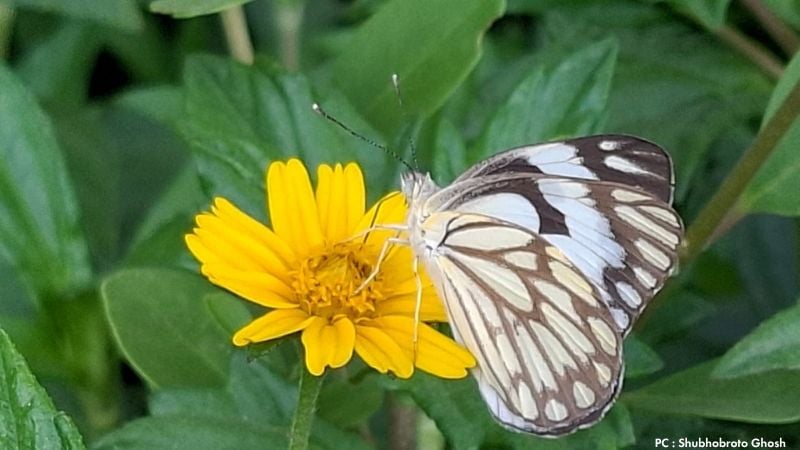
Along with the incredible bird life, the park's diverse flora attracts many lovely free living butterflies. These delicate insects dance beautifully through the warm air, drinking sweet nectar from wild flowers and helping the local forest grow. The thick trees and bushes shield these small creatures from harsh winds and large predators. Together, these beautiful birds and bright butterflies create a lively, colourful world, making this grand safari park a deeply inspiring destination for every single passionate nature lover who visits today.
Learning From the Emotional Lives of Animals
I was reading an interesting book whilst in Etawah which I should mention here. Love in Their Hearts by Marc Bekoff and Jeff Campbell is an eye opening exploration of the profound emotional lives of animals. Through scientific research and captivating storytelling, the authors reveal that nonhuman creatures, ranging from loyal dogs to tiny bees, experience complex feelings like empathy, grief, joy, and deep affection. With a moving foreword by Jane Goodall, this book serves as both a celebration of sentience and an urgent call to action. It empowers readers to protect the natural world by transforming newfound empathy into meaningful, everyday advocacy for animals. A lot of the content of the book could be related with the sightings of the wild animals in Etawah, from birds to butterflies.
Protecting Lions from Canine Distemper
The Etawah Safari Park in Uttar Pradesh, India, performs vital work to protect and rescue wildlife, especially endangered Asiatic lions. One of its most important conservation efforts is a major dog vaccination programme. This crucial health project was started to fight a deadly disease called Canine Distemper Virus (CDV), which can easily spread from stray dogs to big wild cats.
Building a Protective Health Barrier Around the Safari
In the early years of the safari park, conservationists faced a terrible tragedy. Between 2014 and 2016, several adult lions and newborn cubs brought from Gujarat died suddenly. Scientists from the Indian Veterinary Research Institute discovered that the animals were infected with Canine Distemper Virus. This highly contagious virus attacks an animal's lungs, stomach, and nervous system, quickly weakening vital organs until the disease becomes impossible to cure. Because stray dogs and domestic canines living around the forest were the primary carriers of the virus, the park's wildlife was in constant danger.
To save the remaining big cats, the Uttar Pradesh Forest Department and the local veterinary department launched an aggressive health campaign. First, they looked for a way to safeguard the captive lions directly. Since there was no standard distemper vaccine made specifically for lions, experts imported a specialized vaccine called C-DV Ferret from the San Diego Zoo in the United States. The surviving lions received multiple primary doses and regular boosters, which successfully helped them develop strong antibodies to resist the virus.
Wildlife Rescue, Veterinary Care and Rehabilitation
Protecting the animals inside the enclosures was only half the battle. To completely stop the threat, the district veterinary department created a massive dog vaccination programme targeting the outer boundary of the safari. Teams traveled from village to village across the entire periphery of the 350 hectare park. They administered free distemper vaccinations to hundreds of free roaming stray dogs and local pets. By creating a protective health barrier around the park, the programme stops the virus from multiplying in the local canine population, cutting off the path of transmission before it can reach the wild animals. This field operation successfully marks each vaccinated dog with a safe colour dye to track coverage accurately.
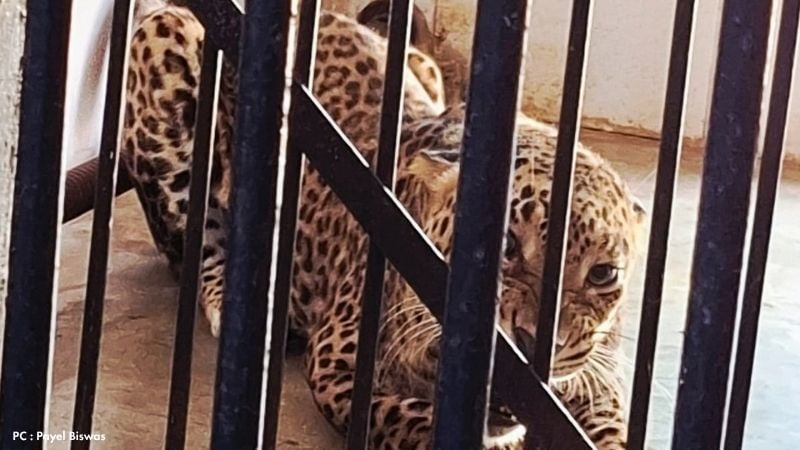
Alongside this disease control work, the Etawah Safari Park acts as a key center for general wildlife rescue and care. The park features a modern Veterinary Hospital and Neo Natal Center inside its green grounds. This specialized facility is staffed by expert veterinarians who treat sick, injured, or orphaned animals rescued from the surrounding region. Whether caring for a hurt leopard, rescuing an injured bear, or nursing a weak deer, the medical team provides high-quality treatments and surgeries.
Turning a Past Tragedy Into Conservation Action
Through this dual approach of treating rescued wildlife and vaccinating local dogs, the safari park has turned a past tragedy into a model for modern conservation. By focusing on the health of both domestic and wild animals, the project demonstrates how communities can successfully manage wildlife zones. Today, the park stands not just as a beautiful travel destination, but as a reliable place where India’s magnificent animals can thrive securely for generations to come.
Education and Compassion for Wildlife
Etawah Safari Park is undertaking educational efforts for school children, visually impaired people and elderly individuals in an effort to raise consciousness on environmental issues and compassion for wildlife. The entire Fisher Forest that houses the Etawah Safari Park is more than 1000 hectares. The forest is named after John Francis Fisher, who served as the local British District Magistrate and Collector of Etawah in the late 1880s.
Continuing the George Adamson Legacy
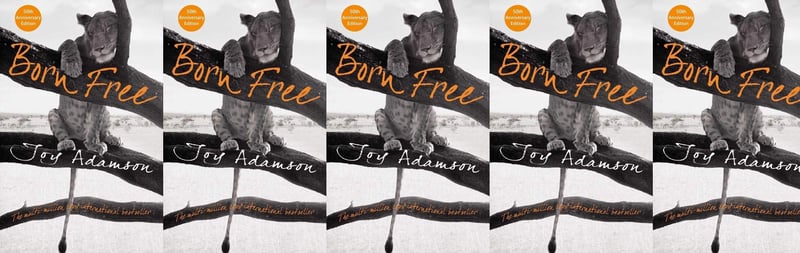
World Animal Protection has appreciated the wildlife rescue efforts and the dog vaccination initiative of the Etawah Safari Park by gifting the institution a copy of the ‘Born Free’ book by Joy Adamson, memorabilia connected to George Adamson and a certificate of recognition. So, whilst the debate on the nature of keeping animals in captivity rages all around us, it is hoped that Etawah Safari Park will be able to set a good example on wildlife rescue and rehabilitation and animal welfare for similar facilities in India.
Acknowledgements : Sri Anil Patel, Director of Etawah Lion Safari, Rupesh Srivastava, Vinay Singh, Sachin Tiwari, Akash Babu and all veterinarians and all staff of Etawah Safari Park who facilitated our visit.