In a world marked by conflict and cruelty, animals continue to suffer silently due to human choices. This piece reflects on why kindness towards animals is central to justice, empathy and wisdom.
As the year 2025 comes to a close, it is plainly evident that the world is torn asunder with numerous conflicts and human beings are killing and maiming each other in unimaginable numbers. Amidst this climate of human violence and confrontation between different groups, are caught animals in various situations where they are suffering silently because of injustice meted out to them by humans. Throughout human history, we have seen the abuse of the weak by the strong and this is reflected even today in our various patterns of behaviour towards weaker sections of society and animals. Animals are suffering monstrously in the food, fashion and entertainment industries and many conscientious individuals and organisations, like World Animal Protection, are working relentlessly to address this ongoing onslaught on our fellow creatures.
Historical and Cultural Roots of Compassion in India
In India, the doctrine of kindness to animals goes back to the reign of Emperor Ashoka more than two thousand years ago, when the world’s first animal protection statutes were put in place after the devastating battle of Kalinga which saw the emperor turn from a murderous slaughterer to a benevolent monarch. Kindness to animals in also found in various cultural, religious and historical texts, including the Vedas, Upanishads and the Bhagavad Gita, all of which call for compassion toward all living creatures.
How Rising Wildlife Trade Demand Is Harming Animals Worldwide
Today we see an incredible surge of animals in the wildlife trade, with animals found in ghastly conditions in crates and boxes and all kinds of containers, to cater for the fetishes of the rich and powerful who find their status enhanced by the possession of all kinds of exotic pets. This demand has led to increased poaching of wild animals in all corners of the world, where animals have been captured without any regard for their welfare. This trade has resulted in huge mortalities of animals who have perished en route to their destinations and also in captivity on and after arrival, because their needs have not been catered for properly in confined conditions.
Campaign Spotlight: Ending Elephant Rides at Amer Fort
Many animals, like elephants, tigers and dolphins, are kept in stressful conditions in different venues where they are used for entertainment. One such venue that is abusing captive elephants is the iconic Amer Fort in Jaipur in Rajasthan, where around eighty elephants offer tourist rides to visitors. These elephants are enduring unacceptable conditions in captivity only for human beings to indulge themselves in a few moments of entertainment. World Animal Protection has been trying for years to bring this cruel spectacle to an end and to institute rehabilitation for the elephants and promote humane alternatives to ride at the top of the fort that are beneficial for both the elephants and their handlers. This ongoing campaign seeks support from all sections of civil society to make this transition toward a kinder future for India’s National Heritage Animal.
Factory Farming, Environment & Animal Welfare
Numerous animals are being killed in factory farms for catering to the human palate and antibiotics are used to raise these animals, which affect the health of the animals as well as humans who consume them. World Animal Protection is steadily campaigning against the wasteful and profligate practice of industrial factory farming at all levels, including the latest Conference Of Parties(COP 30) in Belem in Brazil. By highlighting the impact of factory farming toward human health, environmental damage and animal welfare, World Animal Protection is promoting the ‘One Health’ approach that the Indian government endorses for approaching human health and wellbeing.
Kind Choices: From Clothing to Diet
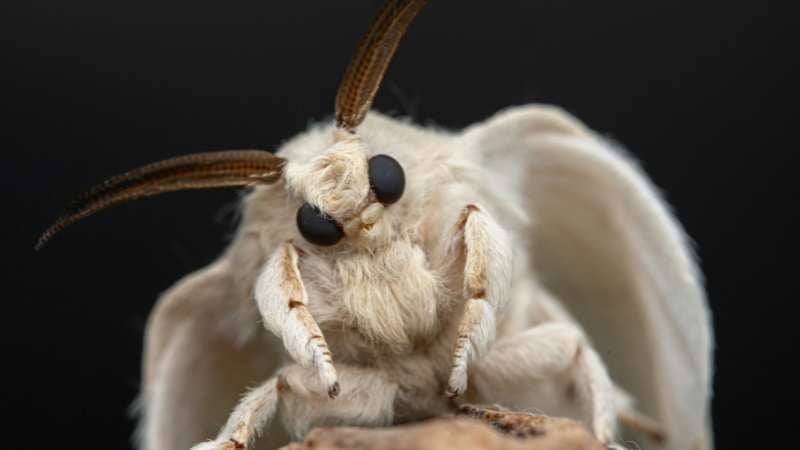
It was also a beacon of light when last year in 2024, the then Honorable Chief Justice Of India, Shri Dhananjay Yeshwant Chandrachud, stated that he had stopped using animal products like leather and silk and had adopted a vegan lifestyle at the behest of his daughters.
This stance is very significant for animals because uncounted numbers of animals are killed in the fur, leather, feather and silk industries for luxury items. It is well past time to make kind choices in our clothing preferences as well as in our diets as well as in entertainment. Wearing animal products for luxury demeans the wearer as much as it harms the animal killed for the clothing.
Animal products like leather, fur, feather and silk are also extremely damaging to the environment and there is a steady demand for humane and cruelty free alternatives to these materials obtained by killing animals. Besides, there are major issues involved in human rights surrounding slavery and child labour in the fur, leather, feather and silk industry and these have been documented in the mainstream media. The basic idea that a human being can kill any animal, vertebrate or invertebrate, for feeling glamorous and beautiful is no repugnant to many, and the younger section of the populace, worldwide and in India as well, a trend that is heartening to note in terms of kindness and compassion are concerned toward creating a healthy society.
Voices of Compassion: Thought leaders on kindness towards animals
An emphasis on kindness to all living creatures was also the central theme in the recently released Hollywood film named, ‘Wicked : For Good,’ that emphasizes that animals should live free from human depredations.

We have seen in history, how philosophical thought leaders like Gautam Buddha, Vardhamana Mahavira, Makkala Gosala and Jesus Christ have also called upon their followers to embrace a kind lifestyle that helps humans and animals alike based on the ideology, “Do not do to others, what you would not have done to yourself.”
The philosopher Bertrand Russell had highlighted the importance of humanity and kindness in all our interactions. Astronomer and science popularizers, Carl Sagan, Ann Druyan and Neil deGrasse Tyson have all pointed out the importance of empathy in our relationship with animals and all forms of life because they are our kin. The research of scientists like Lisa Kaltenegger have also hinted at the possibility of extraterrestrial life and should such beings exist on other planets, they will pose an important ethical challenge on ethics and kindness toward such forms of life, hitherto not encountered.
It is now proven that kindness toward animals also helps children to develop empathy for humans. Therefore, the rationale for treating animals kindly is that kindness represents the highest form of wisdom.
Shubhobroto Ghosh, Wildlife Campaign Manager, World Animal Protection - India