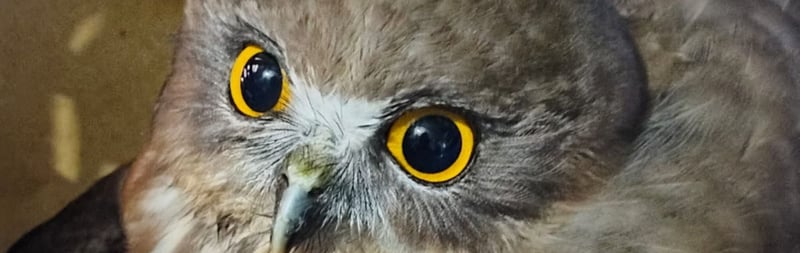
April 2026 saw 34 wildlife rescue interventions under our Animal Protector Program, helping 38 wild animals—from owls to snakes—receive emergency care, rehabilitation, and a safe return to the wild.
From frequently misunderstood reptiles such as the Banded Krait, Indian Rat Snake, Copper-headed Trinket, Spectacled Cobra, Russell’s Viper, Burmese Python, Checkered Keelback, Wall’s Krait, Bronzeback Tree Snake, and Common Wolf Snake, to vulnerable birds including the Indian Scops Owl and Brown Hawk Owl, every rescue reflected the urgent need for awareness, coexistence, and rapid response.
Behind each intervention was a story of survival—a frightened animal trapped in a dangerous situation, a community member who chose compassion over fear, and rescuers ready to respond at any hour. Because of your continued support, injured, displaced, and misunderstood wildlife received timely care, safe handling, rehabilitation, and the opportunity to return to the wild where they belong.
Together, we continue building a future where every life matters, and where even the most feared or fragile species are met with protection instead of harm.
A Silent Night Hunter Gets a Second Chance
Rescue of a Brown Hawk Owl
On 8 April 2026, our rescue team received an urgent call from Deshbandhupara in Falakata, Alipurduar, where an adult Brown Hawk Owl had been spotted sitting helplessly on the ground. The unusual sight quickly drew public attention, as this species is rarely recognised or seen closely by many local residents today. As curiosity grew, a crowd gathered around the distressed bird, increasing the risk of stress and further harm.
Although fully grown, the owl appeared unable or unwilling to fly away. Recognising that something was wrong, concerned residents informed our rescuers, who immediately rushed to the location to assess the situation and ensure the bird’s safety.
On examination, the owl was found to have a visible injury on one of its wings. The constant disturbance from the surrounding crowd had also left the bird visibly stressed and disoriented. Our team carefully secured the owl, prioritising calm handling techniques to minimise additional fear or injury.
Immediate first aid was provided on-site to stabilise the bird and ease discomfort caused by the wing injury. After a period of temporary observation to monitor its responsiveness and stress level, it became clear that the owl required advanced medical evaluation and specialised rehabilitation support.
The Brown Hawk Owl was subsequently handed over to the Forest Department for continued treatment, veterinary care, and rehabilitation under official supervision.
This rescue highlights how awareness and timely reporting can save vulnerable wildlife. A bird that might otherwise have suffered silently amid fear and confusion was instead given protection, care, and a chance at recovery because people chose compassion over neglect.
Donor Impact Note:
Your support enables emergency rescues like this by providing transportation, rapid-response field support, and immediate care for injured wildlife in distress.
A Homeless Owlet Finds Safety
Rescue of an Indian Scops Owl
On the same day, 8 April 2026, another urgent wildlife rescue unfolded in Ashutoshpally, Falakata, where our team received information about a displaced Indian Scops Owlet in need of immediate help.
When rescuers arrived, they discovered that tree felling in the area had destroyed the bird’s nesting site, leaving the young owlet stranded and vulnerable. As part of our rescue protocol, the team first assessed whether reunification with the parents was possible. Unfortunately, because the nest had been completely destroyed and the habitat severely disturbed, there was no safe opportunity to return the chick to its family.
The young owl appeared frightened, disoriented, and highly stressed after the fall and sudden exposure to human activity. Fortunately, no major injuries or fractures were detected during the initial examination. However, the owlet remained under close observation to monitor for signs of internal injury, dehydration, or delayed weakness.
To aid recovery, the bird was placed in a quiet, low-stress rehabilitation environment where warmth, hydration, and minimal human interaction were prioritised. Special care was taken to prevent imprinting and preserve the bird’s natural instincts for life in the wild.
During rehabilitation, the owlet was fed a species-appropriate diet of raw chicken along with feathers to mimic natural feeding conditions and support healthy digestion. Since the species is nocturnal, feeding primarily took place during evening and nighttime hours when the bird became naturally active.
As days passed, the owlet gradually regained confidence and strength. One of the most encouraging milestones came when it began feeding independently and taking short flights inside a controlled enclosure—clear signs of improving coordination and recovery.
The bird continues to remain under observation as it completes its moulting process and develops the strength and survival skills necessary for release back into the wild.
This rescue serves as a reminder that habitat destruction can silently devastate wildlife, especially vulnerable young animals. But with timely intervention, careful rehabilitation, and compassionate support, even a displaced owlet can be given another chance to grow, recover, and eventually return home.
Donor Impact Note:
Your support provides rescued young wildlife with safe rehabilitation spaces, specialised nutrition, emergency response, and round-the-clock care—helping vulnerable animals survive and return to the wild.
Fear Turned Into Coexistence
Rescue of a Spectacled Cobra
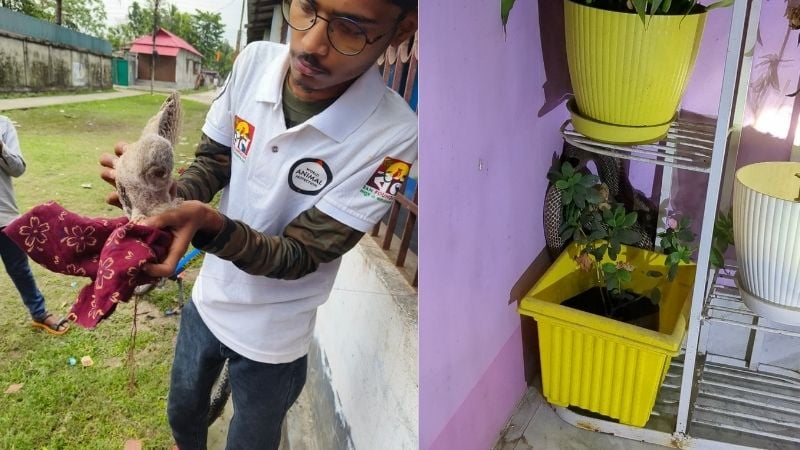
On 15 April 2026, our rescue team received an urgent call from Dulal Dokan in Falakata, Alipurduar, after a venomous Spectacled Cobra entered the home of a pet-loving family, creating panic and emotional distress within the household.
When the team arrived and carefully assessed the situation, they discovered that the cobra had already preyed upon three kittens before taking shelter inside the residence. The incident had deeply upset the family, while the continued presence of a venomous snake inside the house posed a serious safety concern for everyone nearby.
Despite the tension and fear surrounding the incident, our rescuers approached the situation calmly and professionally. Ensuring the safety of both the residents and the animal, the team carefully secured the area and initiated the rescue operation with extreme caution.
During the rescue, the cobra was found to be physically healthy and active, with no visible injuries or signs of illness. However, the snake displayed defensive and aggressive behaviour—an expected response caused by stress, crowd disturbance, and the unfamiliar environment inside the home. Rescuers also observed that the cobra’s body appeared visibly distended, indicating it had recently fed before the rescue operation began.
Using safe handling techniques and professional rescue equipment, the team successfully captured the snake without causing harm to the animal or the people present.
Following the rescue, the cobra was carefully assessed and determined to be fit for release. As it showed normal behaviour and no signs of weakness or injury, the snake was safely relocated and released the same day into a suitable forested habitat away from human settlements, where it could safely resume its natural role in the ecosystem.
This rescue highlights the difficult and emotional realities that can arise when wildlife enters human spaces. While the family experienced a painful loss, they chose compassion and professional intervention instead of retaliation. Their decision allowed a potentially dangerous situation to end safely—for both people and wildlife.
It is also a reminder that snakes are not driven by aggression, but by instinct and survival. As habitats continue to shrink and human-wildlife encounters increase, coexistence becomes more important than ever.
Donor Impact Note:
Your support enables rapid emergency response to high-risk wildlife situations like this—providing trained rescuers, safe handling equipment, transportation, and humane relocation for animals that are often feared and misunderstood.
Every Rescue Begins With Compassion
Every rescue this month was made possible because someone chose empathy over fear. Whether responding to an injured owl, rehabilitating a displaced young bird, or safely rescuing a venomous snake from a residential area, our teams remained committed to protecting wildlife and promoting peaceful coexistence.
But none of this work is possible alone.
Your support powers every emergency call, rescue vehicle, rehabilitation enclosure, medical response, and safe release back into the wild. Together, we are ensuring that frightened, injured, and displaced wild animals are not abandoned in moments of crisis.
Thank you for standing with us—and for proving once again that every life matters.